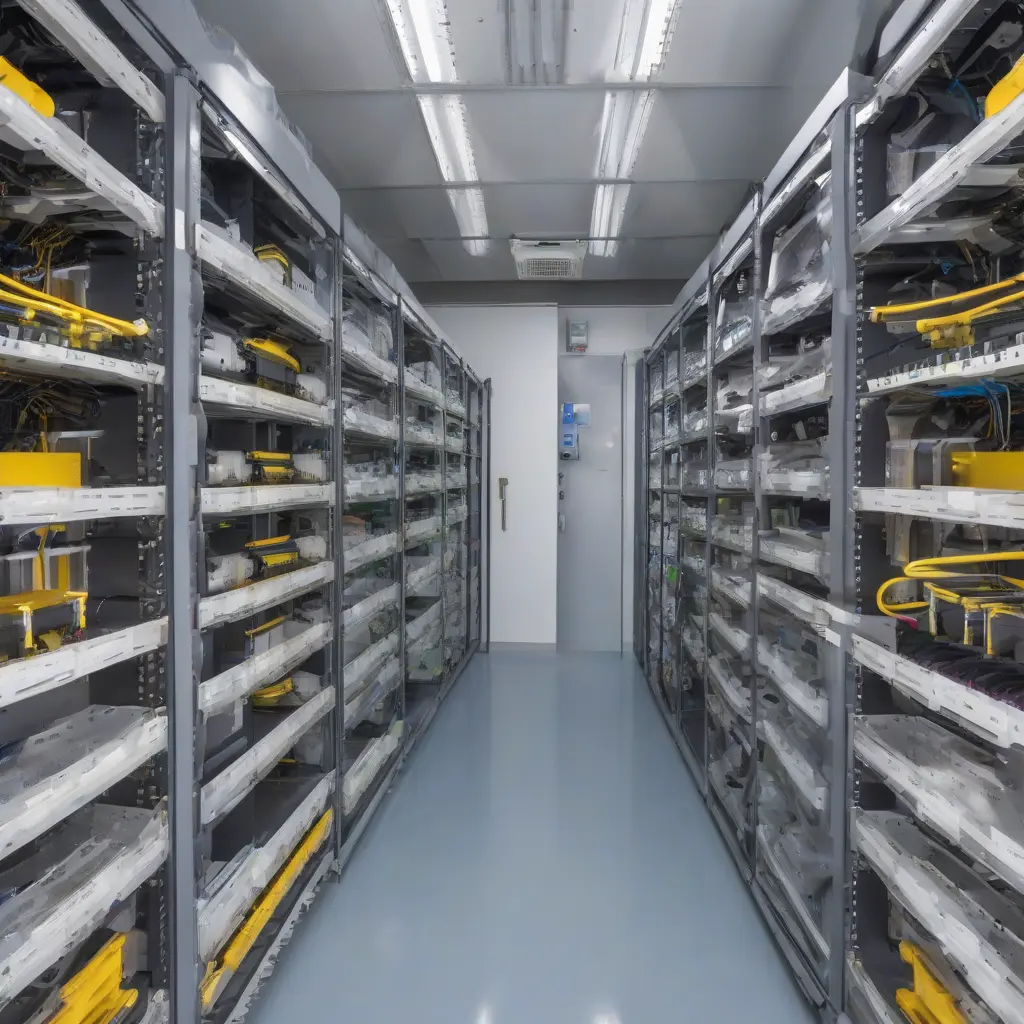
Proper management of temperature and humidity is critical for hardware storage to ensure longevity and enhance performance. Many organizations overlook these environmental factors, exposing their equipment to the risk of damage or accelerated wear. Excessive heat, cold, or humidity can have detrimental effects, including corrosion, degradation of components, and increased failure rates. By understanding the science behind these factors, businesses can implement effective storage strategies that safeguard their hardware investments and maintain operational efficiency.
Understanding Temperature’s Impact on Hardware
Temperature plays a crucial role in the storage and performance of hardware. Most electronic components operate optimally within specific temperature ranges. Excessive heat can lead to overheating, causing circuit failures and shortened lifespan. Conversely, extremely low temperatures can cause brittleness in materials, leading to physical damage. Understanding these dynamics allows storage managers to design environments that avoid temperature extremes, thereby ensuring hardware remains functional and efficient throughout its intended lifespan.
The Role of Humidity in Hardware Longevity
Humidity is another vital aspect of hardware storage management that cannot be ignored. High humidity levels can lead to condensation on electronic components, resulting in corrosion and electrical failures. Conversely, low humidity can create static electricity, creating a risk for sensitive components. Maintaining balanced humidity levels is essential for protecting hardware. Utilizing dehumidifiers or humidifiers can help keep environments stable, prolonging the lifespan of the equipment while ensuring reliable performance.
Optimal Temperature Ranges for Electronic Equipment
Different types of electronic hardware have specific temperature thresholds. For instance, data servers are often best stored between 18°C and 27°C (64°F to 80°F), while personal computing devices might require slightly different ranges. It’s important for storage managers to consult manufacturer guidelines for each piece of hardware. Adhering to these optimal ranges not only minimizes damage risks but also ensures reliable performance, leading to fewer malfunctions and improved productivity.
Humidity Levels Recommended for Storage
Ideal humidity levels for hardware typically range from 30% to 50%. Staying within this range helps mitigate the risk of condensation and static charges. When humidity levels rise above 50%, condensation becomes a significant concern, while levels below 30% may lead to static discharge. Regular monitoring and control of humidity can effectively reduce hardware failure rates and enhance overall efficiency. Investing in hygrometers and environmental controls helps maintain these ideal conditions.
Consequences of Poor Environmental Controls
Neglecting the effects of temperature and humidity can have severe consequences on hardware. For instance, excessive heat can result in component failures, leading to costly repairs or replacements. High humidity can exacerbate this issue by promoting corrosion. Such failures can lead not only to financial losses but also to extended downtimes, disrupting business operations. Therefore, implementing strict environmental controls is essential for maintaining the functionality and reliability of hardware systems.
Monitoring Environmental Conditions
Effective monitoring of temperature and humidity is paramount in hardware storage management. Periodic checks using reliable sensors and data loggers allow organizations to keep track of environmental changes in real time. This proactive approach helps storage managers take immediate action when conditions deviate from the ideal range. Regular maintenance and calibration of monitoring equipment ensure accuracy, leading to informed decisions that protect hardware investments and maintain operational continuity.
Implementing Best Practices for Storage Management
To optimize temperature and humidity conditions, businesses should implement best practices in hardware storage management. This includes designing designated storage areas with climate control systems, regular assessments of existing conditions, and investing in protective storage containers. Other practices, like using foam packaging for sensitive items, can further enhance protection. Consistently following these guidelines can minimize risks, ensuring both the longevity and performance of hardware remain intact.
The Importance of Training for Staff
Training staff on the significance of temperature and humidity in hardware storage management is critical for success. Employees need to understand how environmental factors influence equipment longevity and performance. Regular training sessions can raise awareness and ensure everyone adheres to established protocols. Armed with this knowledge, staff are better equipped to recognize potential risks and take corrective actions, which helps maintain a conducive storage environment over time.
Technological Advances in Environmental Control
Advances in technology now provide businesses with sophisticated tools for managing temperature and humidity in storage environments. Automated climate control systems can monitor and adjust conditions in real-time, ensuring optimal settings are consistently maintained. Additionally, IoT devices enable remote monitoring and alerts for employees, allowing quick responses to unforeseen issues. These technological innovations are invaluable in safeguarding hardware, making storage management more efficient and reliable.
Conclusion
In conclusion, effective hardware storage management demands a comprehensive understanding of temperature and humidity’s impacts. Organizations can significantly improve hardware longevity and performance by implementing best practices, utilizing monitoring tools, and training staff. Attention to these environmental factors not only safeguards equipment but also enhances operational efficiency, ultimately ensuring that businesses maintain a competitive edge in their industries.