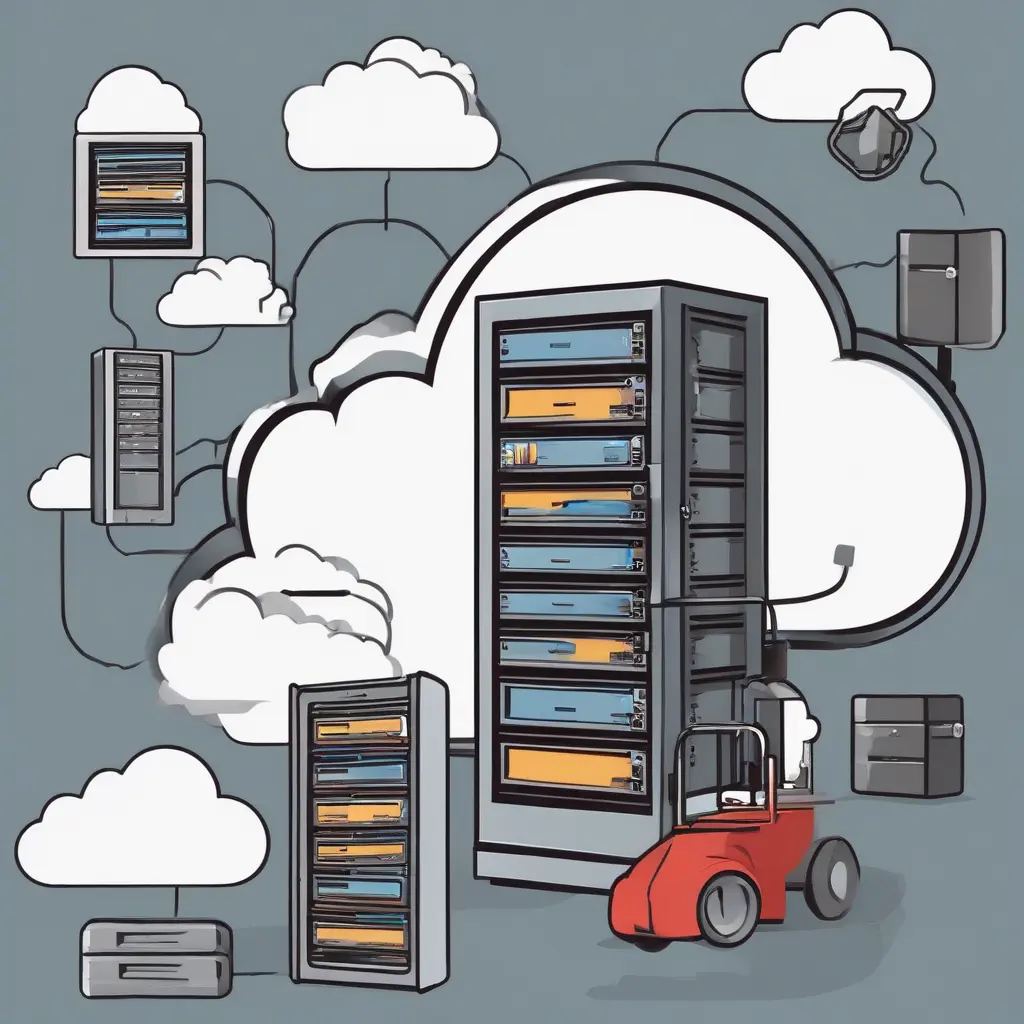
Choosing between cloud and local storage can significantly impact your data management strategy. Each option has unique advantages and potential drawbacks that cater to different user needs. Cloud storage offers flexibility, accessibility, and often lower upfront costs, making it appealing for many individuals and businesses. In contrast, local storage provides complete control over your data, often resulting in better performance for certain applications. Understanding these options is crucial for making an informed decision tailored to your specific requirements.
Understanding Cloud Storage
Cloud storage refers to data storage solutions hosted on remote servers accessible via the internet. This model allows users to store, manage, and manipulate their data without requiring physical storage devices. The primary advantage of using cloud storage is its accessibility; you can reach your data anytime, from anywhere, as long as you have an internet connection. Additionally, cloud providers often offer scalability, enabling users to adjust their storage capacity on demand. However, concerns about data privacy and reliant internet access can influence one’s choice toward cloud solutions.
Exploring Local Storage Options
Local storage involves storing data on physical devices such as hard drives or solid-state drives within your location. This option offers several benefits, most notably enhanced data control and security. Local storage allows users to manage their safety protocols more closely, protecting sensitive information from online threats. Additionally, accessing data stored locally usually results in faster speeds compared to downloading from cloud servers, particularly for large files. However, local storage comes with higher upfront costs for hardware and physical maintenance.
Assessing Cost Factors
Cost is a significant factor when evaluating cloud versus local storage. Cloud services typically follow a subscription model, allowing users to pay only for what they need, which can be cost-effective for small businesses and individuals. Conversely, local storage requires an initial investment in hardware, along with ongoing costs for maintenance and upgrades. For long-term storage needs, the total cost of ownership can vary significantly, so users should calculate the expenses associated with both options based on their specific requirements.
Evaluating Data Accessibility
Data accessibility is another key consideration when choosing between cloud and local storage. Cloud storage provides a significant advantage in this regard, allowing users to access their files from multiple devices and locations, as long as there’s an internet connection. This ease of access is crucial for teams working remotely or individuals on the go. In contrast, local storage often limits accessibility to the physical device on which it resides. This limitation can hinder collaboration and slow down workflow processes, especially in fast-paced environments where quick data retrieval is necessary.
Considering Data Security
Data security is of utmost importance when selecting a storage solution. With cloud storage, providers often implement robust security measures, including encryption, firewalls, and multi-factor authentication. However, users must trust third-party vendors with sensitive information, which can raise concerns. On the other hand, local storage allows for complete control over security protocols, enabling users to establish their own measures without relying on external entities. Nevertheless, local devices can be vulnerable to physical damage or theft, which necessitates consistent backups and security strategies.
Examining Backup Solutions
Effective data backup is crucial in any storage strategy. Cloud storage solutions usually come with built-in backup features, automatically syncing files and reducing the risk of data loss. This accessibility is particularly beneficial during unexpected system failures. Conversely, local storage requires users to implement their own backup procedures, whether through external drives or other methods, often increasing the likelihood of human error. Investing time in creating regular backups for local storage can mitigate these risks and ensure that vital data is preserved.
Analyzing Performance Needs
Performance requirements often dictate the choice between cloud and local storage. For applications that require high-speed access to large files, such as video editing or gaming, local storage frequently provides superior performance due to its direct connection to the hardware. This direct access minimizes latency issues that can arise with cloud services. However, cloud solutions are continually evolving, with many providers rolling out faster servers and optimizing their infrastructures to accommodate high-demand applications, making them a viable option for performance concerns.
Understanding Compliance and Regulations
Depending on your industry, compliance with regulations and standards can greatly influence your storage decision. Cloud providers often offer tailored solutions that adhere to specific compliance requirements, making it easier to maintain compliance without extensive management. However, users must ensure that the chosen provider is compliant with regulations relevant to their location and industry. Local storage may present fewer challenges in this area since users retain complete control and can directly manage compliance measures according to their needs and responsibilities.
Making the Decision Based on Your Needs
Ultimately, the choice between cloud and local storage hinges on individual needs and circumstances. Assess your specific requirements, including budget constraints, data accessibility, and security preferences. If your operations rely on remote access and collaboration, cloud storage might be more beneficial. However, if data control and localized performance are priorities, local storage may be the preferable choice. Weighing the pros and cons of each option is crucial for developing an effective storage management strategy tailored to your unique situation.
Conclusion
In conclusion, choosing between cloud and local storage is a nuanced decision that requires careful consideration of various factors. Each storage type presents distinct advantages and challenges that cater to different needs. Assessing aspects such as cost, accessibility, security, and performance will help you make an educated choice that aligns with your objectives. By evaluating your requirements thoughtfully, you can develop a storage strategy that supports your data management needs effectively.