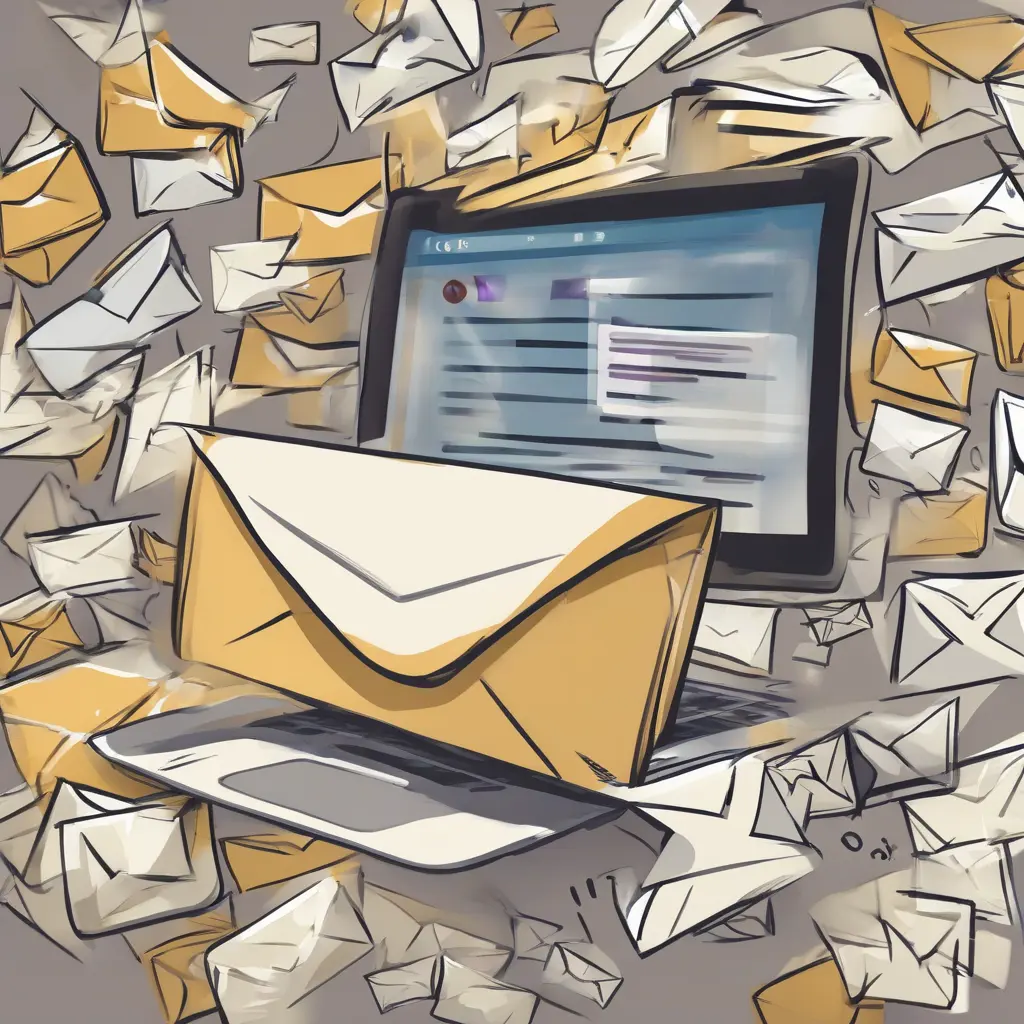
In today’s digital age, email clients are essential for communication, but they can become sluggish over time due to accumulated messages. Clearing out old emails is a simple yet effective solution to enhance the speed and performance of your email application. This guide will explore the benefits of decluttering your inbox, various methods for clearing old messages, and best practices to maintain an organized email environment. By implementing these strategies, you can improve efficiency and streamline your email management process.
The Importance of Inbox Clarity
Maintaining clarity in your inbox is vital for productivity and focus. A cluttered email environment can lead to feelings of overwhelm and distraction. By regularly clearing out old emails, you can create a more organized workspace that allows for easier navigation and quicker access to important messages. This not only enhances your workflow but also promotes mental clarity, allowing you to prioritize tasks and respond to urgent communications more effectively.
Identifying Old Emails
Before beginning the clearing process, it’s essential to identify which emails are considered ‘old’ or no longer needed. This may include newsletters, promotional emails, or outdated conversations. Utilize filtering tools available in most email clients to categorize messages based on date, sender, or subject. By pinpointing irrelevant emails, you can save time during the decluttering process and ensure you are focusing on messages that truly matter.
Bulk Deleting Unwanted Emails
One of the most efficient ways to speed up your email client is through bulk deletion of unwanted emails. Most email platforms allow you to select multiple messages to delete at once, which drastically reduces the time spent on this task. Start with categories like spam or promotions, which typically contain many unnecessary emails. By bulk deleting, you not only free up storage space but also significantly improve the loading times of your email application.
Archiving Instead of Deleting
If you are hesitant to delete emails permanently, consider archiving as a viable alternative. Archiving moves emails out of your main inbox while keeping them accessible for future reference. This process not only speeds up your email client but also ensures that important communications remain retrievable. Regularly archiving older emails can keep your inbox tidy without sacrificing important information that may be needed later.
Utilizing Search Features
Email clients typically come with robust search functionalities that can facilitate managing your inbox. By using keywords, you can quickly locate old emails that may need to be deleted or archived. This feature is particularly useful for identifying messages from specific senders or related to certain projects. Mastering the search capabilities of your email client allows for more effective email management, resulting in a faster and more streamlined workspace.
Setting Up Email Folders
Creating folders within your email client provides an excellent way to organize communications and enhance performance. By categorizing emails into manageable groups, you can quickly declutter your inbox. Regularly moving old emails into designated folders keeps your inbox clean while making it easier to locate specific messages later. This systematic approach not only speeds up access but also helps maintain an organized digital environment.
Establishing Regular Maintenance Habits
To maintain a speedy email client, it’s crucial to establish regular maintenance routines. Set reminders to review and clean your inbox weekly or monthly, depending on your email volume. These consistent check-ins can prevent the buildup of unneeded emails and ensure that your inbox stays organized. By developing these habits, you’ll find that a proactive approach can greatly reduce the time spent managing your email and enhance your overall productivity.
Email Client Settings for Performance
Adjusting settings within your email client can significantly affect performance and speed. Consider options such as limiting the number of messages displayed per page, disabling unnecessary notifications, or refining synchronization settings. By optimizing these parameters, you can reduce the load on your email application, enabling it to run more smoothly. A little customization can lead to substantial improvements in how efficiently you manage your email communications.
Using Third-Party Cleanup Tools
There are numerous third-party cleanup tools designed to help users manage their email effectively. These applications can automate the process of identifying and removing old emails, potentially saving considerable time and effort. Before using any third-party service, ensure it is reputable and secure to protect your data. Utilizing these tools can complement your email management strategy and further enhance the performance of your email client.
The Emotional Benefits of a Clean Inbox
Beyond the practical aspects, clearing out old emails can also provide emotional benefits. A clean inbox fosters a sense of control and satisfaction, alleviating the stress often associated with overwhelming digital clutter. This mental clarity can enhance focus and productivity, ultimately contributing to a more positive work environment. By investing time in decluttering your inbox, you can enjoy both the practical speed benefits and the emotional relief that accompanies a tidy workspace.
Conclusion
In summary, regularly clearing out old emails is an effective strategy for improving the speed and performance of your email client. By identifying unnecessary messages, utilizing features for bulk management, and maintaining organization, you can create a streamlined email experience. Taking these steps not only boosts efficiency but also cultivates a more organized and productive digital workspace.