In today’s digital age, many smartphone users experience lagging issues that can hinder their overall mobile experience. While hardware limitations and outdated software often come to mind, a less obvious culprit could be cloud services. As cloud technologies become integral to app functionality, data storage, and device performance, understanding their impact on phone latency is essential. This article explores how cloud services may contribute to your phone’s lagging issues and offers potential solutions.
Understanding Phone Lagging Issues
Phone lagging issues can manifest in various ways, from delayed app responses to sluggish scrolling and overall decreased performance. Such problems typically arise when the device’s processor, RAM, or network connection is under stress. Although software optimization can alleviate some concerns, it’s essential to consider external factors as well. This includes third-party applications and the influence of cloud services, which might inadvertently consume resources and slow down your device.
The Role of Cloud Services
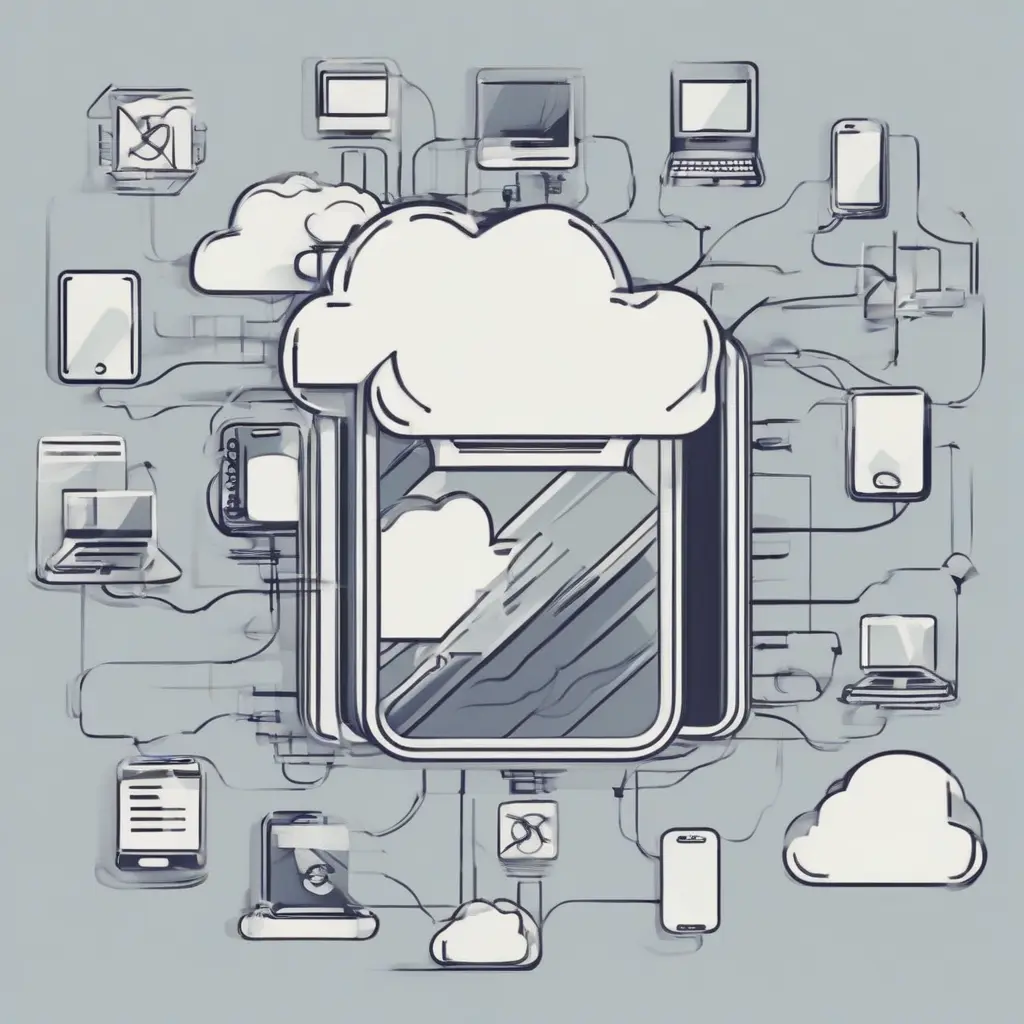
Cloud services play a pivotal role in how we use smartphones today. They enable real-time data access, application functionality, and syncing across devices. However, these services often require a consistent internet connection and can lead to performance issues when the network is slow or unstable. When cloud apps are not optimized for low bandwidth, users may notice increased lag as their device struggles to communicate with the cloud effectively.
Impact of Syncing and Updates
Many cloud services rely on continuous syncing with servers to update files, apps, and settings automatically. While this feature enhances accessibility and convenience, it can also slow down phone performance. When your phone is busy syncing large amounts of data, it might lack the available resources to run other applications efficiently. As a result, users may experience lag, especially if syncing occurs during high usage times.
App-Specific Issues
Certain applications are particularly reliant on cloud services, such as photo storage or document editing tools. These cloud-centric apps may begin to slow down due to performance bottlenecks caused by excessive data processing or poor network connectivity. Moreover, poorly coded applications can exacerbate lag due to inefficient cloud interactions. Regularly examining app performance can help identify specific culprits behind lagging problems.
Network Connectivity and Speed
A significant factor in the performance of cloud services is the speed and reliability of your internet connection. If your network is slow or experiences frequent interruptions, your phone may struggle to connect to cloud services efficiently. This can lead to delays in data retrieval and an overall sluggish user experience. It is advisable to monitor your network speed and switch to a more stable connection whenever possible to mitigate these issues.
Hardware Limitations
While cloud services greatly enhance functionality, they can also expose the limitations of your phone’s hardware. Older devices, with limited RAM and outdated processors, may not handle the demands of modern cloud applications adequately. If your hardware cannot keep pace with the requirements of a cloud service, lagging issues will likely worsen over time. Upgrading to a device with better specifications can significantly improve performance.
Storage Management
Cloud services often offer convenient solutions for storage management, but relying solely on them can sometimes lead to performance issues. When cloud storage is not managed effectively, it can result in clutter and slow access times. Users experiencing lag should consider periodically cleaning up their cloud storage, ensuring only necessary files are synced, which can alleviate pressure on device performance.
Optimizing Cloud Settings
Many cloud services come with settings that can be adjusted to improve performance. For instance, limiting the automatic sync frequency or turning off background data usage can help. By streamlining how often your phone communicates with cloud services, you can reduce the workload on your device, resulting in enhanced performance. Exploring these settings can be a beneficial first step in resolving lagging issues.
Checking for Software Updates
Keeping both your device’s operating system and cloud applications up to date is crucial for optimal performance. Software updates often encompass bug fixes and performance improvements that can directly address lagging issues. Regularly checking for and installing updates can enhance the compatibility of cloud services with your device, leading to a smoother experience.
Conclusion
In conclusion, while cloud services undoubtedly expand the capabilities of smartphones, they can also contribute to lagging issues if not managed properly. By understanding the nuances of how cloud applications interact with your device and implementing measures to optimize their performance, users can significantly improve their smartphone experience. Monitoring hardware capabilities, network conditions, and app settings can go a long way in addressing lag issues.