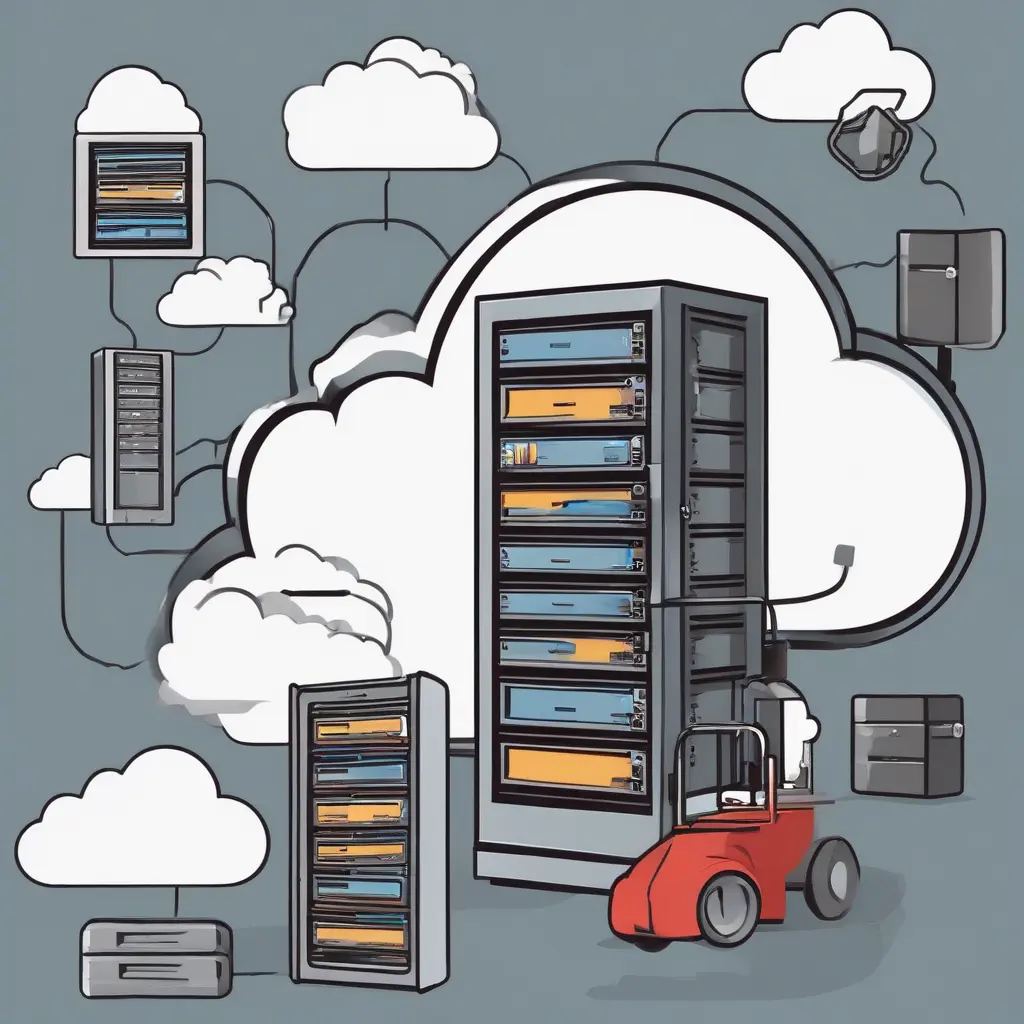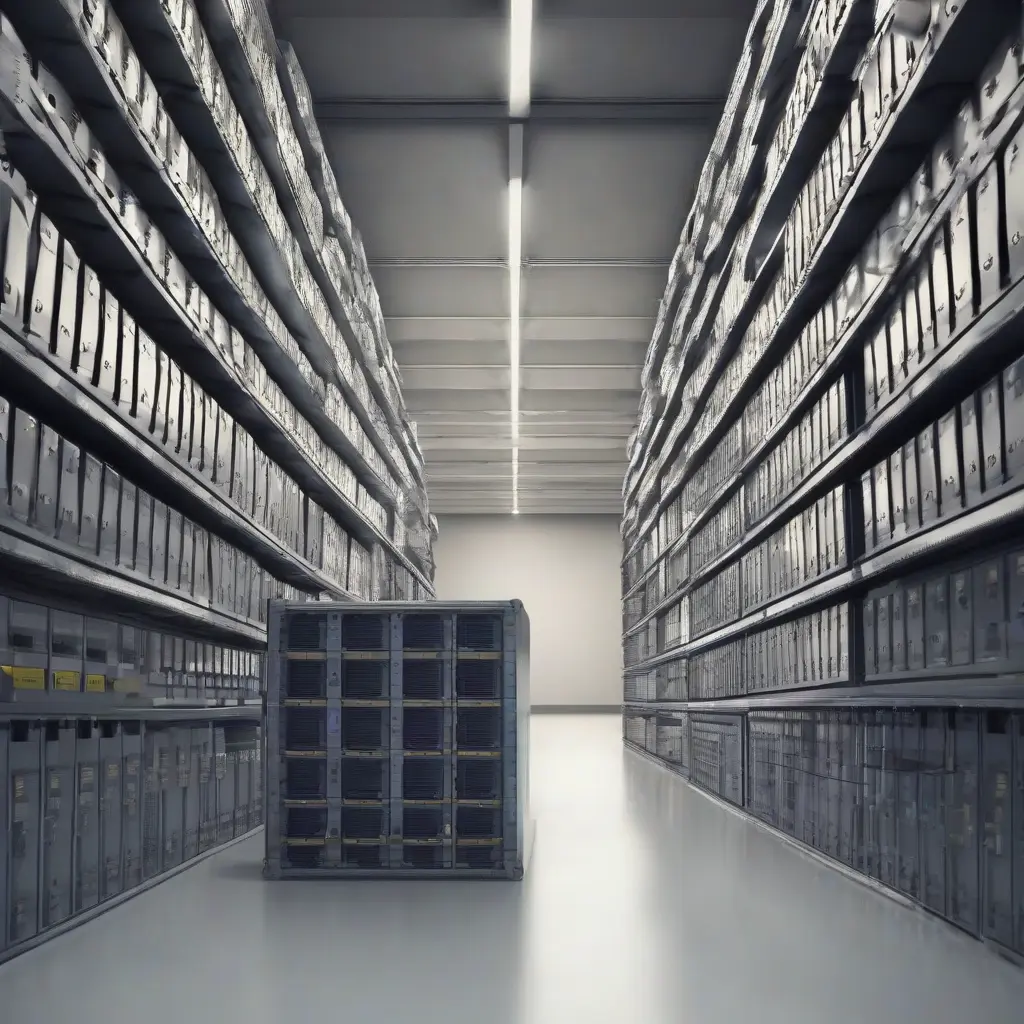
In the world of computing, understanding the distinction between memory and storage is critical for effective storage management. Memory, often referred to as RAM, plays a crucial role in the speed and efficiency of tasks, while storage refers to long-term data retention through devices like hard drives or SSDs. Each component has unique characteristics and functions that affect system performance. This guide aims to clarify the differences, benefits, and best practices for managing both memory and storage in various computing environments.
Defining Memory in Computing
Memory in computing, primarily known as Random Access Memory (RAM), is a type of volatile storage that temporarily holds data for quick access while a computer is running. The data stored in RAM is lost when the system is powered off, making it crucial for tasks that require fast data retrieval. Memory directly influences system speed, application performance, and multitasking capabilities. Its size and speed are vital for an efficient computing experience, especially when handling large applications or datasets. Understanding memory’s role helps users optimize system performance.
What is Storage?
Storage refers to the permanent retention of data in devices such as Hard Disk Drives (HDDs) and Solid State Drives (SSDs). Unlike memory, storage holds data even when the computer is powered off. Storage devices come with various capacities and speeds, impacting how data is accessed and retrieved. They are essential for saving files, applications, and operating systems. Understanding different storage options enables users to make informed decisions when selecting devices that best fit their needs, whether for personal use or business applications.
Key Differences Between Memory and Storage
The primary difference between memory and storage lies in their functionality and data retention. Memory, or RAM, is fast and volatile, designed for immediate access to data, facilitating active processes and tasks. In contrast, storage is slower and non-volatile, intended for long-term data preservation. This distinction is crucial, as it affects how computers operate and manage workloads. Recognizing these differences aids in better understanding how to balance memory and storage needs, ensuring optimal system performance.
How Memory Influences Performance
The amount and type of memory directly influence a computer’s overall performance. More RAM allows for smoother multitasking, reducing lag when running multiple applications. The speed of RAM, measured in MHz, also plays a critical role; faster RAM can significantly enhance data processing and retrieval times. For gamers and professionals working with graphics and video editing software, having adequate and fast memory is essential for avoiding bottlenecks. Properly managing memory can lead to a more efficient and responsive computing experience.
Storage Types: HDD vs. SSD
When it comes to storage, two primary types dominate the market: Hard Disk Drives (HDDs) and Solid State Drives (SSDs). HDDs use mechanical components and magnetic storage, offering larger capacities at lower prices but slower performance. On the other hand, SSDs employ flash memory to provide faster access times and improved durability, but generally at a higher cost. Understanding the advantages and disadvantages of each type helps users choose the right storage solution based on their specific use cases, whether for speed or capacity.
Choosing the Right Memory for Your Needs
Selecting the appropriate memory for your computing needs requires understanding your typical tasks. For everyday activities such as browsing and document editing, 8 GB of RAM may suffice. However, those involved in gaming, content creation, or software development should consider 16 GB or more for optimal performance. It’s also essential to consider compatibility with your motherboard and existing components. Evaluating your workload will guide you in making a smart investment in memory that enhances your computing performance.
Best Practices for Storage Management
Effective storage management involves several best practices to ensure optimal performance and data integrity. Regularly backing up important data is crucial, whether through cloud solutions or external drives. Archiving seldom-used files can free up space and improve access speeds. Additionally, employing disk cleanup tools helps identify unnecessary files that can be safely deleted. Monitoring storage capacity and performance can lead to timely upgrades or replacements, ensuring users maintain an efficient and reliable system.
The Role of Operating Systems in Memory and Storage
Operating systems play a vital role in managing both memory and storage resources efficiently. They allocate memory to various applications while ensuring that storage devices are properly utilized for data retrieval and saving. Advanced features in modern operating systems, such as memory paging and storage optimization tools, significantly improve system performance. Understanding how your operating system handles these resources can help users troubleshoot issues and enhance their overall computing experience.
Emerging Technologies in Memory and Storage
The landscape of memory and storage technologies continues to evolve rapidly, introducing advanced solutions that enhance performance. Developments such as NVMe (Non-Volatile Memory Express) and 3D NAND technology have revolutionized how data is accessed, providing faster transfer rates and greater efficiency. Innovations in memory technologies like DDR5 RAM promise improved speed and bandwidth, catering to the growing demand for higher performance in gaming and professional applications. Staying informed about these technologies can help users make educated choices for their computing needs.
Conclusion
Understanding the distinctions between memory and storage is essential for effective storage management. By recognizing their roles and characteristics, users can make informed decisions regarding hardware upgrades and maintenance. This knowledge not only enhances system performance but also ensures a seamless computing experience. As technology continues to advance, staying updated on best practices and emerging solutions will further optimize both memory and storage utilization in every computing environment.