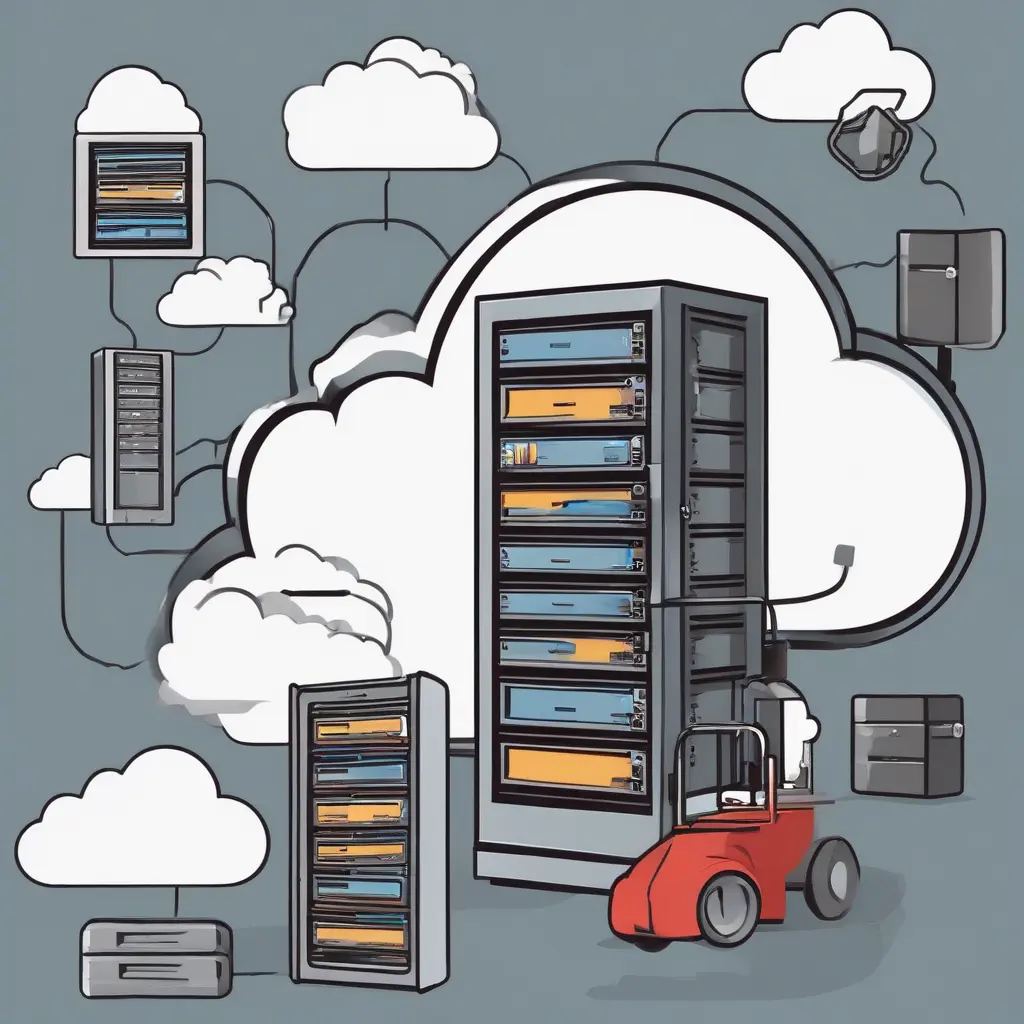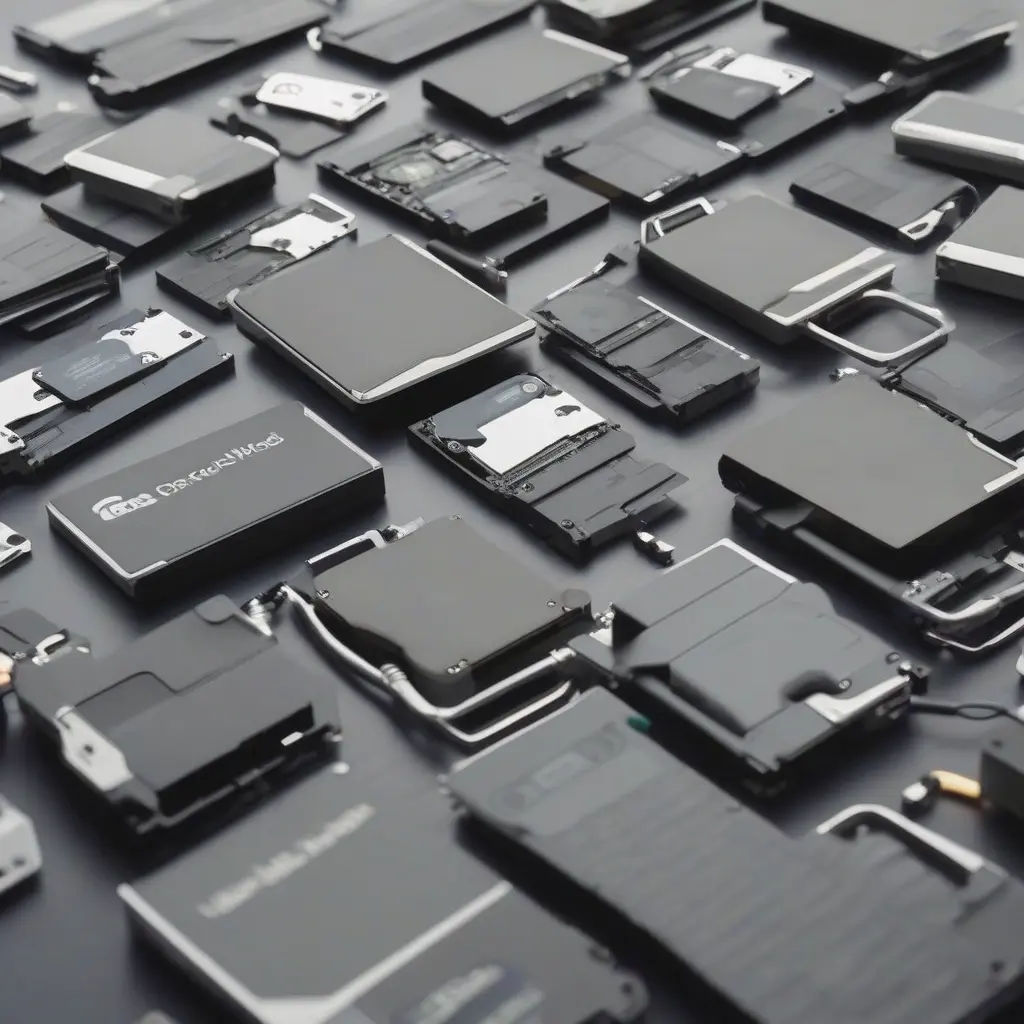
Managing local storage on external hard drives is essential for maintaining data organization and optimal performance. As digital storage demands continue to grow with larger files and increased software use, knowing how to efficiently handle your external drives becomes crucial. This article explores best practices that range from proper file organization strategies to regular maintenance routines, aiming to provide you with a comprehensive guide on keeping your external hard drives in excellent condition. By implementing these best practices, you can ensure data longevity while maximizing space efficiency.
Understanding External Hard Drives
External hard drives are portable storage devices that typically connect via USB or other interfaces. They provide significant storage capacity, making them ideal for backing up important files, storing media, and enhancing your overall computing experience. Understanding the various types of external drives—such as HDDs and SSDs—can help you choose the right one for your needs. Additionally, recognizing their read and write speeds is crucial for optimal performance, especially if you’ll be transferring large files regularly.
Organizing Files Effectively
An effective file organization strategy is vital for managing local storage on external hard drives. Start by creating a clear folder structure that mirrors your workflow or project needs. Use descriptive names for folders and files to make searching easier, and consider employing date formats for version control. Implementing tagging or labeling systems can also enhance organization, allowing you to quickly locate and prioritize files. Regularly reviewing and cleaning up your folder structure helps keep unnecessary clutter at bay.
Regular Backup Routines
Establishing regular backup routines is one of the most critical best practices for managing external hard drives. Schedule consistent backups to ensure the latest files are stored securely. Use software tools or built-in OS backup features to streamline the process. Make it a habit to back up important files to both the external drive and a secondary source, like cloud storage or another drive. This redundancy protects your data from accidental deletions, hardware failures, or other unforeseen incidents.
Monitoring Storage Space
Monitoring the available storage space on your external hard drive is essential for avoiding performance issues. Regularly check the used and free space to avoid running out of storage, which can slow down file transfers and even impede system performance. Most operating systems provide tools to help assess storage usage, allowing you to identify large files or unnecessary duplicates. Consider setting alerts for low space so you can take proactive measures to manage your files better.
Maintaining Drive Health
To ensure the longevity of your external hard drive, it is crucial to maintain its health. Regularly check for issues such as drive errors, bad sectors, and performance slowdowns. Most manufacturers provide diagnostic tools to help monitor the state of the drive. Additionally, make sure to safely eject the drive before unplugging it to prevent data corruption. Keep the drive in a cool, dry place to minimize risks associated with overheating or moisture.
Utilizing Encryption for Security
Data security is a significant concern when managing local storage on external hard drives. Utilizing encryption can protect sensitive information from unauthorized access. Many external drives come with built-in encryption options, or you can use third-party software. Ensure you use strong, unique passwords for encrypted drives, and always keep backups of important encryption keys in a secure location. Understanding the basics of encryption can enhance your data protection strategy.
Optimizing Performance with Formatting
Optimizing the performance of your external hard drive can often be achieved through proper formatting. Ensure that you format the drive with the appropriate file system for your operating system, such as NTFS for Windows or exFAT for cross-compatibility. Regularly defragmenting HDDs can also improve access times, although this process is unnecessary for SSDs. Thorough formatting can rectify potential file system errors and boost overall efficiency, leading to a more reliable data storage experience.
Avoiding Physical Damage
Preventing physical damage is a key aspect of managing external hard drives. Always handle the drive with care and store it in protective cases when not in use. Avoid exposing the drive to extreme temperatures, liquids, or direct sunlight, as such environments can lead to hardware malfunctions. Additionally, be cautious while transporting the drive to prevent drops or shocks. Taking such precautions can significantly extend the lifespan of your external hard drive and protect your data.
Upgrading Storage Solutions
As your storage needs evolve, consider upgrading your external hard drive to accommodate increased demands. Evaluate whether you need a larger capacity or faster speeds and choose an SSD for performance-sensitive tasks or an HDD for cost-effective capacity. Research current market options, including hybrid solutions that offer benefits from both types. An upgrade can enhance your workflow and ensure that your data storage methods keep pace with technology advancements.
Importance of User Education
User education plays a significant role in effective management of local storage on external hard drives. Familiarizing yourself with best practices can ensure that you maximize the potential of your storage device. Participate in webinars, read user guides, and keep updated with the latest trends in data management and storage technology. Understanding how to use your external hard drive properly can prevent costly mistakes and enhance your overall experience.
Conclusion
In conclusion, managing local storage on external hard drives requires a combination of organization, maintenance, and education. By adopting best practices such as effective file organization, regular backups, and establishing optimal performance routines, you can ensure the longevity and security of your data. With ongoing attention to your storage habits and tools, your external drives can serve you well for years to come.