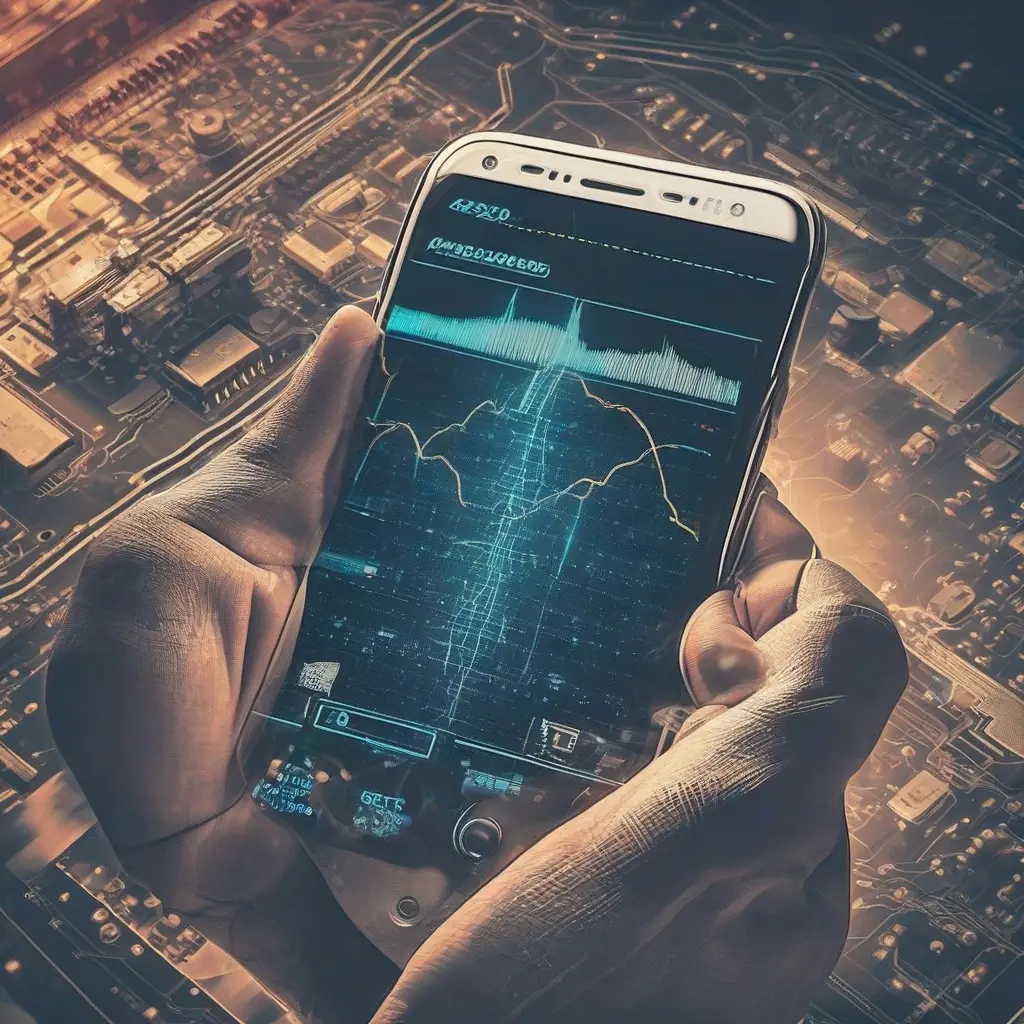
In the modern digital landscape, mobile devices often experience lag, making user experience frustrating. A significant contributor to this issue is the way apps handle notifications. By optimizing app notifications, you can minimize resource consumption, making your device faster and more responsive. This article explores various strategies for managing app notifications effectively, offering insights into how these changes can significantly boost your device’s performance.
Understanding Device Lag Symptoms
Device lag can manifest in various ways, including slow response times, application crashes, and an overall sluggish feeling. Symptoms may range from a minor delay when swiping or tapping to complete freezes that require a restart. Identifying these symptoms early is crucial, as they can often be traced back to background processes, including excessive notifications that demand system resources. Knowing these signs allows users to take prompt action to rectify issues before they escalate.
The Impact of Notifications on Device Performance
Notifications typically run in the background, consuming memory and processing power. When multiple applications frequently send notifications, this can lead to device performance degradation. Each notification often requires CPU cycles for handling delivery, management, and alerting users. Consequently, managing how and when your apps send notifications can have a substantial impact on overall device speed, allowing more resources for active applications.
Assessing Notification Settings for Each App
To start optimizing notifications, review the notification settings for each app installed on your device. Accessing the settings menu allows users to customize which applications can send alerts. Limiting notifications to only essential apps significantly reduces background activities and resource consumption. A more focused approach not only helps in minimizing device lag but also enhances user experience by prioritizing important alerts over unnecessary interruptions.
Utilizing Do Not Disturb Mode
Most smartphones come equipped with a ‘Do Not Disturb’ feature that silences notifications during specific times. Utilizing this feature can help reduce distractions and improve performance during critical tasks. By using Do Not Disturb, users can designate periods when only essential notifications come through, minimizing background processes. Regularly activating this mode can significantly enhance device responsiveness, especially during high-demand activities.
Batching Notifications for Efficiency
Some operating systems allow users to batch notifications for certain apps. Instead of receiving alerts as they come, batching consolidates them into a single message. This approach reduces the frequency of background processing, allowing devices to allocate resources more efficiently. Users often find this method not only declutters their notification panel but also enhances the overall device performance due to lower resource usage.
Uninstalling Unused Applications
Unused applications can be a hidden source of device lag, largely due to their notifications and background processes. Regularly evaluating your app inventory and uninstalling those that are no longer useful can reduce system strain. By removing unnecessary applications, you free up storage space and limit the amount of memory consumed by background notifications, ultimately leading to a smoother and faster user experience.
Updating App and System Software
Keeping your app and operating system up-to-date is critical for performance. Developers frequently release updates to improve efficiency and address bugs that may cause lag. Users should regularly check for updates and install them to benefit from optimizations designed to manage notifications and other system processes effectively. Ensuring you have the latest software can lead to enhanced performance and a more seamless experience across the board.
Considering Third-Party Notification Managers
For users overwhelmed by excessive notifications, third-party notification management apps can provide a streamlined solution. These apps often offer enhanced customization options, allowing for better control over how and when notifications are received. By using these tools, users can filter, categorize, and prioritize notifications, resulting in fewer interruptions and smoother device operation. However, it’s essential to choose reputable applications to avoid introducing new performance issues.
Leveraging Cloud Services for App Data
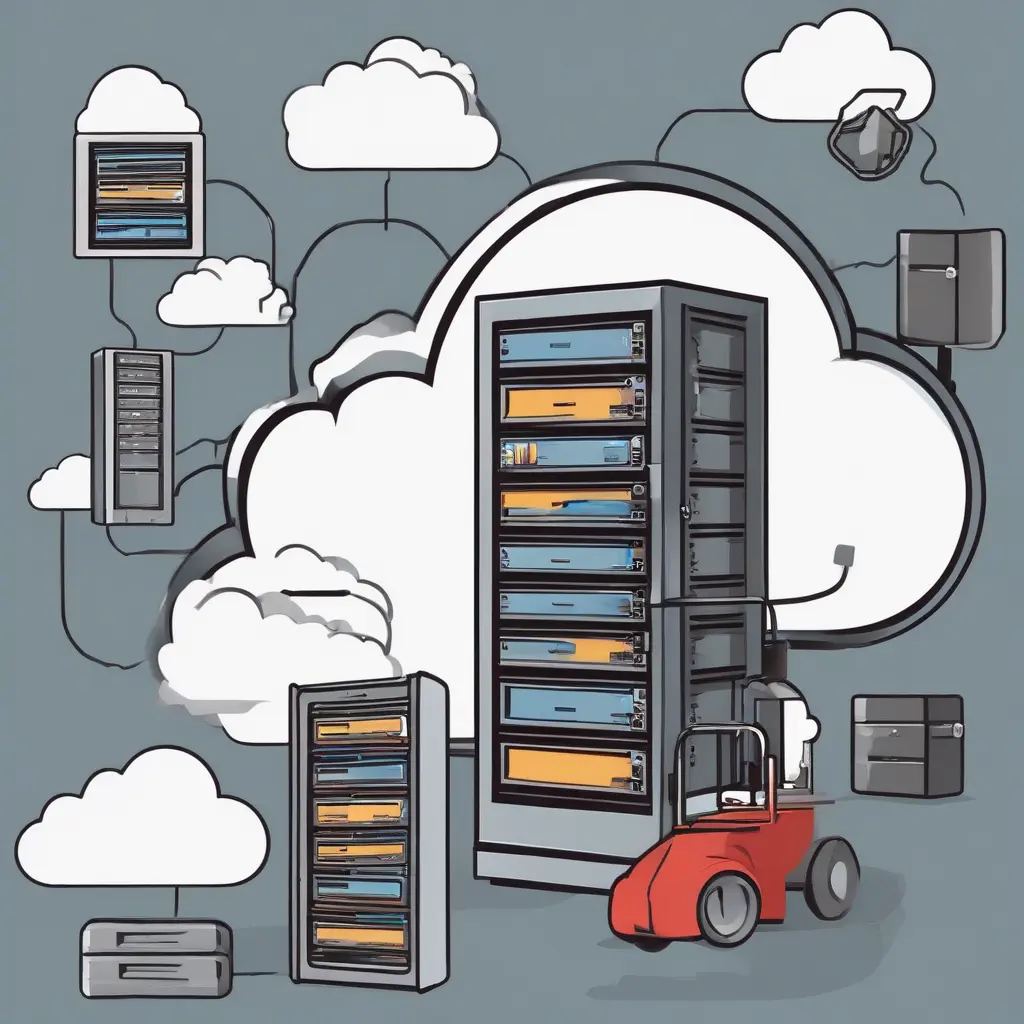
Cloud services can significantly reduce the load on local storage by handling app data and notifications remotely. By enabling cloud backups and synchronization, users minimize the amount of data processed on the device itself. This not only conserves device resources but also enhances performance, as apps operate more efficiently when less data is stored locally. Embracing these technologies can be particularly beneficial for devices with limited storage capacity.
Regular Maintenance Practices for Optimal Performance
In addition to optimizing notifications, engaging in regular device maintenance can help sustain performance levels. Activities such as clearing cache, uninstalling outdated applications, and managing storage can create a more efficient operating environment. Scheduled maintenance routines ensure your device continues to run smoothly. These practices, combined with optimized notification settings, can potentially prolong the lifespan and functionality of the device, offering substantial benefits for everyday use.
Conclusion
Optimizing app notifications is a straightforward yet effective method to enhance device performance and reduce lag. By adjusting settings, leveraging built-in features, and conducting regular maintenance, users can create a faster, more responsive device experience. These strategies not only improve performance but also contribute to a more streamlined and enjoyable mobile interaction, allowing users to focus on what matters most.