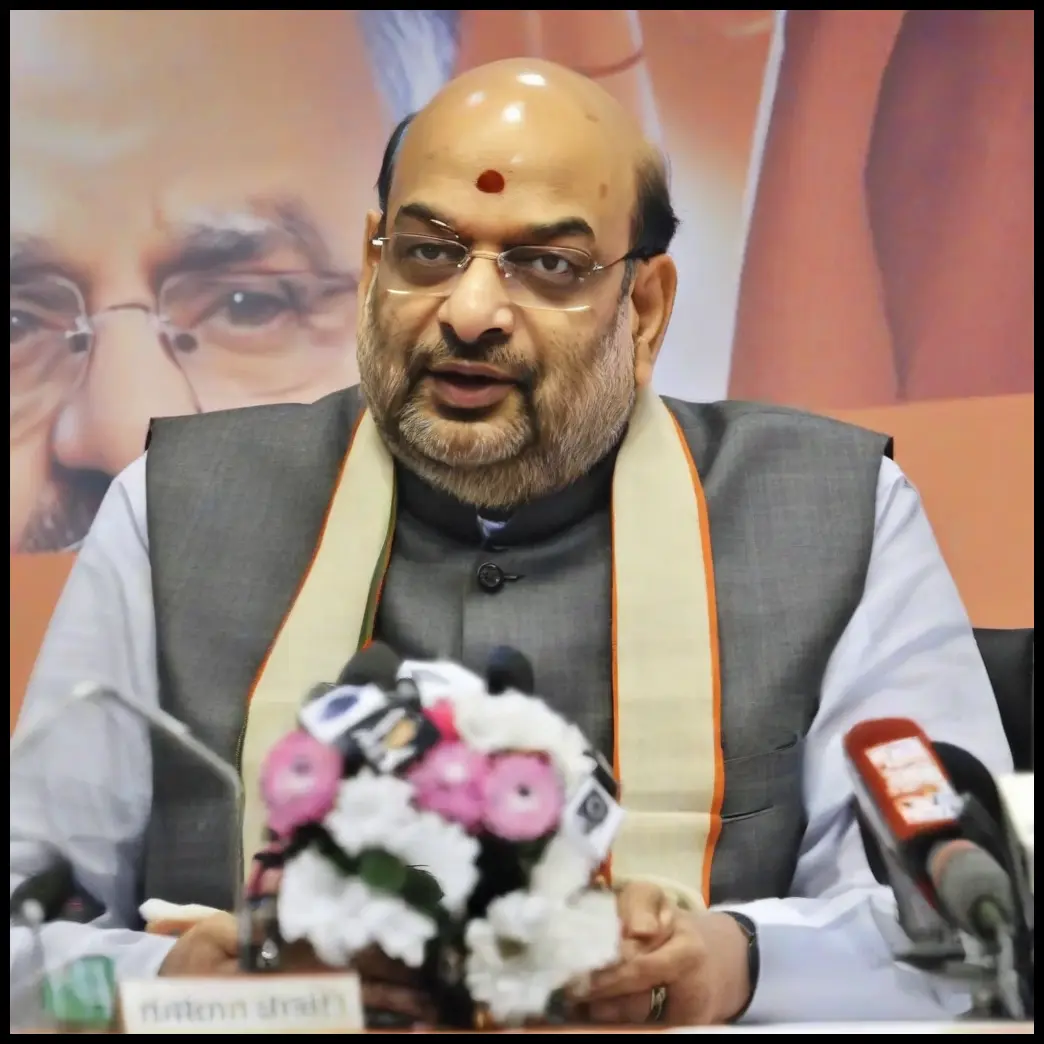
In a recent statement, Union Home Minister Amit Shah expressed optimism that the Uniform Civil Code (UCC) could be adopted by 21 states governed by the National Democratic Alliance (NDA) by 2029. However, this announcement has prompted cautious responses from three allied parties within the NDA, highlighting the complexities surrounding this significant legal reform.
Cautious Reactions from NDA Allies
The Telugu Desam Party (TDP), currently in power in Andhra Pradesh, has taken a reserved stance. Lavu Sri Krishna Devarayalu, leader of the party’s parliamentary group, stated that while there are currently no formal discussions regarding the UCC, the party will carefully consider the matter when necessary. He emphasized the importance of engaging various stakeholders prior to any decisions.
Similarly, the Janata Dal (United) or JD(U), part of the NDA coalition in Bihar, also plans to approach Shah for dialogue on this issue. Sanjay Jha, JD(U) working president, affirmed his intent to meet with the Home Minister for discussions, indicating that Nitish Kumar, the party leader, supports the UCC concept but insists on achieving consensus among all communities.
Chirag Paswan of the Lok Janshakti Party (Ram Vilas) showed hesitation as well. He articulated his party’s commitment to both diversity and uniformity while suggesting that the Constitution acknowledges the distinct traditions of different communities. Paswan stressed that for any UCC proposal to gain traction, it should be publicly disclosed, with stakeholder interests taken into account through extensive consultation.
Historical Context of NDA Alliances
Both the TDP and JD(U) have previously displayed independent stances on various ideological issues since joining the NDA in 2014. These parties have oscillated in their alliance with the BJP over time but have formed closer ties in recent years under Prime Minister Narendra Modi’s leadership. Notably, JD(U) representatives had abstained from voting in favor of the abrogation of Article 370 in 2019, which further exemplifies their selective alignment.
Shah’s announcement in Mumbai included remarks about the abolishment of triple talaq, which he argued has provided equitable rights to Muslim women. He stated, ‘We have initiated the implementation of UCC in several states and I am confident that by 2029, we will see its introduction across the 21 BJP-NDA governed states.’ His remarks indicate a strategic approach of rolling out the UCC through state-specific legislation rather than a nationwide implementation immediately.
Key Highlights
- Amit Shah anticipates UCC implementation by 2029 across 21 NDA states.
- BJP allies like TDP, JD(U), and LJP express caution regarding the proposal.
- History of independent positions by NDA allies in key ideological matters.
What This Means
Shah’s ambitious timeline for UCC implementation marks a pivotal moment in Indian legal reform. The hesitance expressed by allied parties underscores the complexities inherent in navigating diverse cultural and community practices, suggesting that while the BJP is enthusiastic about rolling out the UCC, consensus-building among a wide array of stakeholders will be critical for success. This cautious approach indicates that the journey towards a uniform civil framework will not be straightforward, as differing opinions within the NDA highlight the multifaceted nature of communal harmony in India.