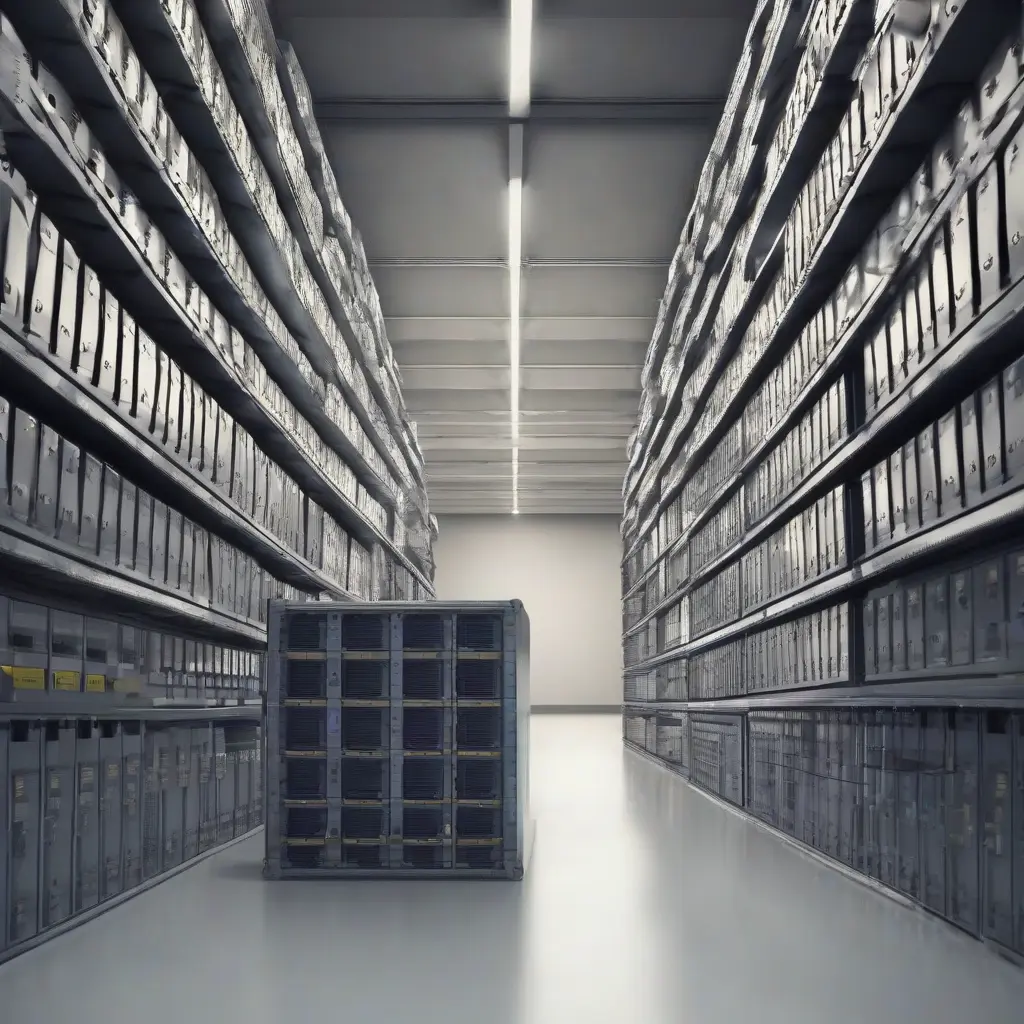
In today’s data-driven world, organizations face the challenge of managing multilayered storage solutions. These systems not only store vast amounts of data but also require strategic oversight to ensure efficiency and security. Quick decisions can lead to bottlenecks and inefficiencies, negatively impacting overall productivity. To successfully navigate this complex landscape, organizations must adopt a holistic approach that integrates technology, process, and management practice. This article provides essential tips for effectively managing these multilayered storage solutions.
Understanding Multilayered Storage Solutions
Multilayered storage solutions encompass various types of storage systems, including on-premises, cloud-based, and hybrid environments. Understanding how each layer interfaces and functions is crucial in maximizing storage efficiency. The distinct characteristics of each type influence data access speeds, security measures, and overall cost. By assessing the needs of the organization and mapping out how these storages fit into existing workflows, businesses can streamline their data management strategies and leverage the strengths of each storage layer.
Assessing Storage Needs and Capacity
Before implementing or optimizing a storage solution, organizations must conduct a comprehensive assessment of their storage needs. This involves evaluating the type of data generated, its volume, and the frequency with which it needs to be accessed or modified. By understanding these requirements, organizations can determine optimal storage capacities and ensure that resources are allocated efficiently. Regular audits can help track data growth and storage usage, allowing for proactive planning and avoidance of overprovisioning or underutilization.
Choosing the Right Storage Technologies
Selecting the appropriate storage technologies involves careful consideration of both current and future data needs. Organizations should evaluate options such as SSDs, HDDs, and cloud storage services, analyzing their performance, cost, and scalability. Advanced technologies like NVMe and object storage can provide additional benefits depending on the organization’s data access patterns. Balancing performance with budget constraints will enable organizations to build a robust storage foundation that can evolve with their growth.
Implementing Data Classification Strategies
Data classification is a fundamental strategy for managing multilayered storage effectively. By categorizing data based on its importance, sensitivity, and access frequency, organizations can allocate storage resources more efficiently. High-priority or frequently accessed data can be stored in faster, more accessible locations, while less critical information can be transitioned to lower-cost solutions. This helps in optimizing performance and ensuring that the overall storage system is both efficient and cost-effective.
Ensuring Data Security and Compliance
Data security and compliance are paramount in managing multilayered storage solutions. Organizations must adopt stringent security measures such as encryption, access controls, and regular security audits to safeguard sensitive information. Furthermore, compliance with industry regulations such as GDPR or HIPAA necessitates the implementation of secure storage practices. Ensuring that each layer of the storage solution adheres to these security and compliance standards will mitigate risks and foster trust among stakeholders.
Establishing Effective Backup and Recovery Plans
Developing robust backup and recovery plans is essential for protecting organizational data in a multilayered storage environment. Regular backups must be scheduled to avoid data loss due to unforeseen events, with strategies in place for both on-site and off-site storage options. By leveraging automated backup solutions, organizations can streamline this process and ensure timely data recovery. Testing recovery plans periodically will identify potential gaps and prepare teams for real-world scenarios, thereby enhancing operational resilience.
Monitoring and Performance Tuning
Ongoing monitoring of storage performance is crucial for maintaining efficiency and identifying areas for improvement. Employing analytics tools enables organizations to track metrics such as latency, throughput, and storage utilization. This data can inform performance tuning activities, ensuring storage solutions adapt to changing demands. By routinely analyzing and refining system performance, organizations can enhance user satisfaction and operate with greater efficiency, ultimately maximizing return on investment.
Training Staff on Storage Solutions
Educating staff on multilayered storage solutions is vital for ensuring effective utilization and mitigating risks. Training programs can cover best practices for data handling, security protocols, and the operational aspects of different storage systems. By equipping employees with the necessary skills and knowledge, organizations can foster a culture of data stewardship, empowering teams to take ownership of storage responsibilities and contribute to overall organizational efficiency.
Future Trends in Storage Management
As technology continues to evolve, organizations must stay informed about future trends in storage management. Emerging technologies such as artificial intelligence and machine learning are being integrated into storage systems to enhance efficiency and predictive analytics. Additionally, the increasing adoption of cloud storage solutions presents new opportunities for scalability and flexibility. Staying ahead of these trends allows organizations to adapt their storage strategies, ensuring long-term sustainability and competitiveness in the data landscape.
Conclusion
Managing multilayered storage solutions is a multifaceted endeavor that requires strategic planning, implementation, and continuous improvement. By understanding the intricacies of storage systems, assessing needs, and adopting best practices in security and employee training, organizations can create efficient and effective data management environments. Ultimately, a well-managed storage strategy not only optimizes performance but also supports organizational goals and objectives, fostering innovation and growth.