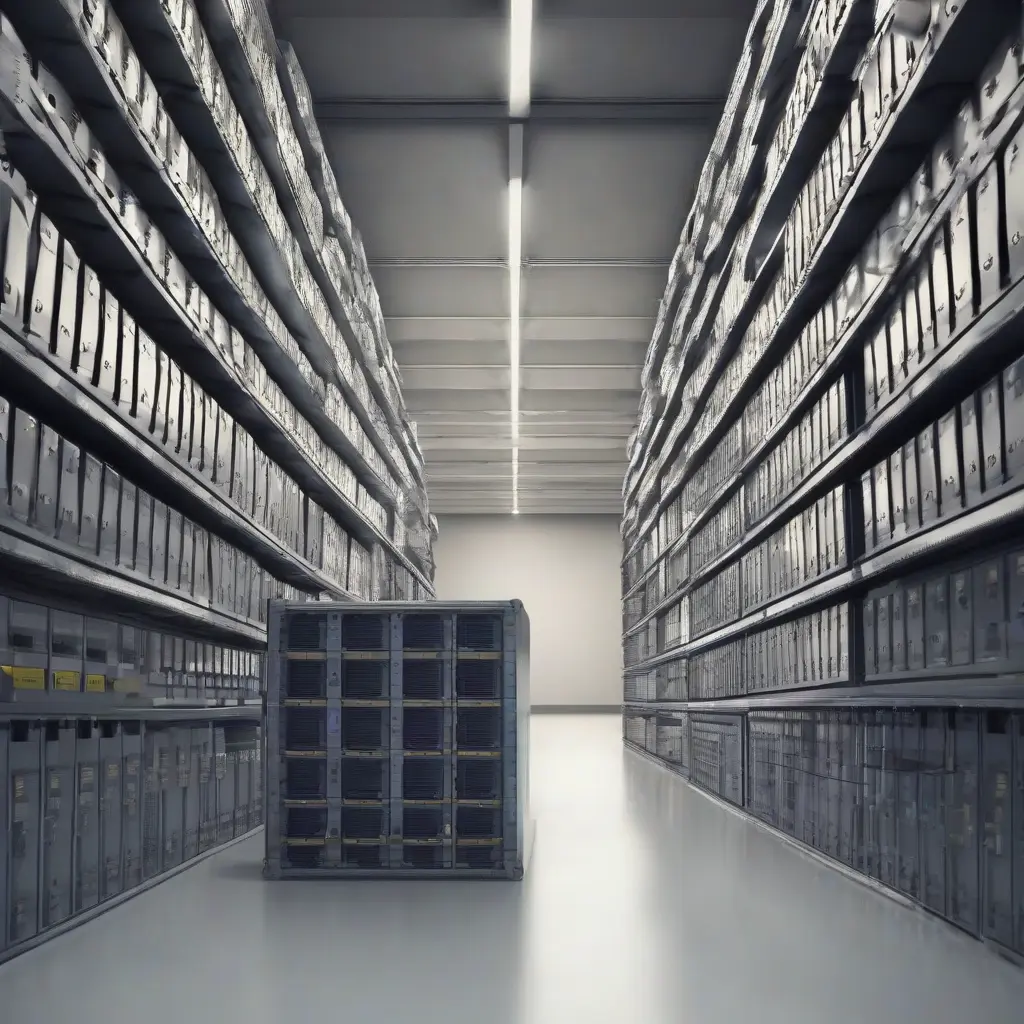
Storage management is a critical component of maintaining device performance, impacting everything from speed to durability. As digital storage capacity grows, so too does the complexity of managing that storage effectively. Modern devices benefit immensely from organized storage systems which not only optimize performance but also extend the lifespan of hardware components. Understanding the intricate relationship between how storage is managed and device efficiency is essential for both individuals and businesses. This article explores various aspects of storage management and its profound effect on overall device performance.
Understanding Storage Management
Storage management refers to processes and technologies used to oversee storage resources. This includes everything from tracking data storage capacities to implementing data retention policies. Properly managed storage helps ensure that the resources of a device are utilized efficiently, meaning that data is easily accessible and performance is maximized. Automated tools and software frequently assist in these tasks, enabling users to analyze their storage usage patterns and optimize accordingly. By adhering to the principles of effective storage management, users can mitigate potential data loss, inefficiency, and performance bottlenecks.
Impact of Fragmentation on Device Performance
Fragmentation occurs when data is stored non-sequentially across a storage device, leading to performance issues. Devices must work harder to access fragmented data, resulting in increased load times and slower performance. This is particularly noticeable on traditional hard disk drives (HDDs), where mechanical movement exacerbates the delays. To combat fragmentation, regular maintenance and defragmentation routines can enhance a device’s operational efficiency. Fostering an understanding of how fragmentation affects performance is crucial for users aiming for optimal device function and longevity.
The Role of Cloud Storage in Device Management
Cloud storage has become an invaluable asset in modern storage management strategies. It allows users to store large amounts of data off-device, thereby freeing up local storage resources. This alleviation helps maintain optimal performance levels, especially for devices with limited onboard storage. Utilizing cloud storage not only enhances performance by reducing clutter but also provides scalable solutions for increasing data needs. By integrating cloud solutions into their storage management, individuals and businesses can enjoy improved efficiency, accessibility, and security for their data.
Balancing Local and Cloud Storage
Effective storage management involves striking a balance between local and cloud storage solutions. While local storage provides quick access to frequently used data, cloud storage offers scalability and flexibility. Users need to analyze their specific requirements to determine the right mix, ensuring that critical data is readily accessible while also taking advantage of the cloud’s vast capacity. A hybrid approach can lead to enhanced device performance, as it combines the speed of local access with the robustness of cloud storage, thereby enhancing productivity and workflow.
Optimizing Storage Systems for Performance
Optimizing storage systems is paramount for enhancing device performance. This can involve several strategies, including organizing files logically, removing unnecessary data, and utilizing performance-enhancing software. Implementing efficient categorization can reduce the amount of time needed to search for and retrieve files. Furthermore, employing tools that analyze storage use can identify heavy users of space, prompting actions to clear out or compress files. By regularly optimizing storage, users can witness significant improvements in device speed and functionality.
Data Backup Strategies
Incorporating robust data backup strategies is a crucial facet of effective storage management. Regular backups ensure that data is preserved, thus safeguarding it from corruption, accidental deletion, or hardware failure. Utilizing both local backups and cloud-based solutions enhances security and reliability. Automated backups can simplify this process, allowing users to maintain peace of mind while ensuring that performance is not compromised. Establishing a predictable backup routine aids in maintaining data integrity and contributes further to overall device performance.
Monitoring Storage Health
Monitoring the health of storage devices is essential for sustaining optimal performance. Tools that track the status of hard drives and SSDs can alert users to issues before they escalate into serious problems. Regular checks for disk health can prevent unexpected failures and maintain device efficiency. Incorporating SMART (Self-Monitoring, Analysis, and Reporting Technology) features in hard drives provides critical insights into their operational condition. By being proactive about storage health, users can significantly reduce downtime and preserve device functionality.
Security Considerations in Storage Management
Security is a vital concern in storage management. Mismanaged storage can lead to vulnerabilities, making data susceptible to breaches. Protecting data involves implementing encryption, regular updates, and access controls to ensure that only authorized users can retrieve sensitive information. In cloud storage, understanding the security protocols provided by service providers is essential. Prioritizing security in storage management not only protects valuable data but also supports overall device performance by minimizing risks associated with data loss or unauthorized access.
Integrating AI in Storage Management
Artificial intelligence (AI) has started to play a pivotal role in enhancing storage management practices. AI-driven systems can analyze data patterns, help identify inefficiencies, and suggest optimizations more quickly and accurately than manual methods. These AI solutions can also predict storage needs based on usage trends, enabling users to stay ahead of their requirements. By leveraging AI, businesses can improve their storage management strategies significantly, ultimately leading to enhanced device performance and better data utilization.
Future Trends in Storage Management
The future of storage management will likely be shaped by advancements in technologies such as artificial intelligence, machine learning, and quantum storage. These emerging technologies promise to enhance the efficiency of storage solutions, enabling faster data retrieval times and more effective data organization. Innovations, like automated management systems that adapt to user behavior, allow for a dynamic and responsive approach to storage needs. As technology continues to evolve, so too will the strategies for managing storage effectively, profoundly impacting device performance.
Conclusion
In summary, effective storage management is crucial for optimal device performance. It encompasses various strategies, tools, and practices that improve both speed and efficiency while safeguarding data integrity. The interconnectedness of storage handling and device capability means that users must prioritize these management strategies for enhanced operational success. By understanding and implementing effective storage solutions, individuals and organizations can significantly boost performance, ensuring their devices operate at their best for years to come.