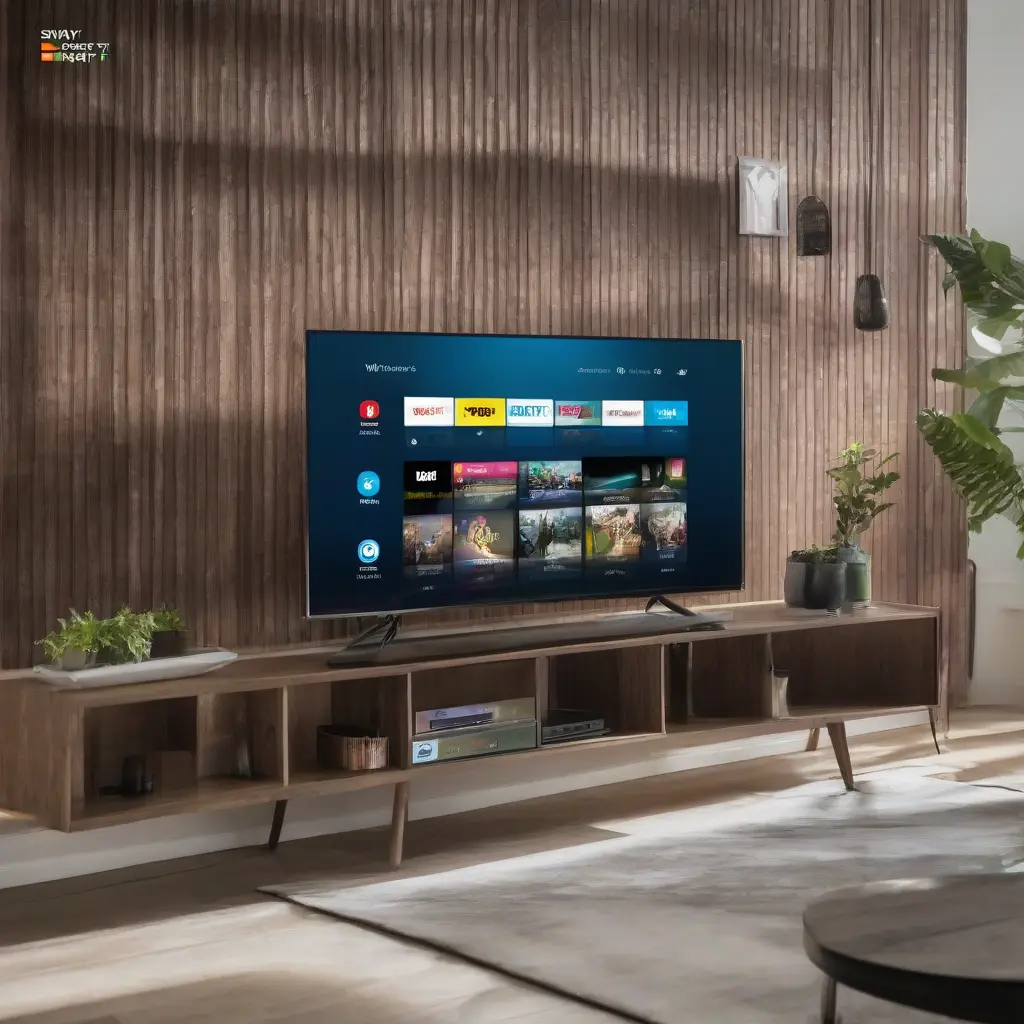
As smart TVs become increasingly popular, understanding their storage limitations and finding efficient solutions to manage this storage is crucial. Unlike traditional TVs, smart TVs come equipped with a variety of applications, streaming services, and capabilities that demand significant storage space. Users often encounter issues when their TV runs out of space, which can hinder performance and the ability to download new apps or enjoy content. This article explores the common storage limitations on smart TVs, the impact of these restrictions, and introduces various strategies to enhance storage capacity.
Common Storage Limitations on Smart TVs
Smart TVs typically come with built-in storage capacity that varies between models, ranging from 4GB to 32GB on average. While this may seem adequate for basic applications, the needs of modern consumers exceed these limits due to the increasing use of high-definition content and multimedia apps. Additionally, the storage consumed by pre-installed applications often leaves minimal space for user-installed software. As users download more apps and content, storage issues can arise, leading to potential performance degradation and user frustration.
Effects of Limited Storage on Smart TV Performance
Limited storage on smart TVs can lead to significant performance issues. Users may experience slower app load times, freezing, or even crashes due to insufficient storage. When a TV’s storage is nearly full, the operating system struggles to run applications effectively, which can affect the overall viewing experience. Furthermore, any attempt to download new content may result in error messages, leading to a frustrating user experience. These performance drawbacks underline the importance of understanding and addressing storage limitations.
Evaluating Your Storage Needs
Before implementing solutions to address storage limitations, it’s important to evaluate your specific storage needs. Consider the types of content you regularly access, such as movies, TV shows, or games, and the quantity of applications you use. Conducting a brief audit of your installed apps and the storage they consume can provide insights into what’s necessary and what’s redundant. This understanding helps tailor your approach to storage management, ensuring you prioritize the content that enhances your viewing experience.
Uninstalling Unused Apps
One of the simplest and most effective strategies to manage storage limitations on your smart TV is to uninstall unused or less-used applications. Many smart TVs allow users to easily remove apps that aren’t actively utilized. By regularly reassessing your app collection, you can reclaim valuable storage space and improve performance. Start by identifying apps that haven’t been used in months and consider deleting them, which will streamline your interface and enhance the overall responsiveness of your smart television.
Utilizing External Storage Solutions
External storage solutions can significantly expand your smart TV’s storage capabilities. Many smart TVs support USB drives or external hard drives, allowing users to store applications, games, and even downloaded content external to the TV’s internal memory. This flexibility enables you to manage larger libraries of content without worrying about filling up the TV’s built-in storage. Be sure to check your TV’s specifications for compatible external storage options and consider formats that ensure optimal performance.
Cloud Storage Options for Smart TVs
Many services now offer cloud storage solutions that integrate seamlessly with smart TVs, allowing for remote access to your media library without occupying physical storage space. Apps like Netflix, Hulu, or Amazon Prime Video provide users with cloud-based access to a vast array of content, negating the need to download everything directly to the TV. By utilizing these services, users can enjoy a broad selection of content while effectively managing their internal storage limitations.
Regular Maintenance for Optimal Storage
Just like any other digital device, regular maintenance is key to ensuring your smart TV operates efficiently. This includes periodically checking for software updates, clearing cache files, and managing app data. By keeping your TV’s operating system up to date and routinely cleaning up unnecessary data, you can prevent storage issues before they arise. Regular maintenance transcends mere storage management; it also improves the overall performance and security of your smart TV.
Streaming Content vs. Downloading
Another effective way to manage storage limitations on smart TVs is to prioritize streaming content over downloading. Streaming services continuously offer access to a vast array of media without requiring local storage. Many platforms have features that allow users to create playlists or watch later lists, which helps organize content without cluttering storage. By leveraging these services, users can enjoy a wide selection of entertainment without the burden of managing extensive local files.
Understanding Storage Management Settings
Familiarizing yourself with your smart TV’s storage management settings can greatly aid in addressing limitations. Most smart TVs provide insights into how storage is allocated and which applications are consuming the most space. By accessing these settings, users can make informed decisions about which apps to keep or delete and monitor their overall usage regularly. Being proactive in managing these settings can help prevent any unexpected storage-related issues and enhance your viewing experience.
Conclusion
In conclusion, understanding the storage limitations of smart TVs and implementing effective solutions can significantly enhance your viewing experience. By evaluating your storage needs, uninstalling unused apps, utilizing external storage, and leveraging cloud services, users can overcome common storage challenges. Regular maintenance and smart usage of streaming content can further optimize performance and lead to a more satisfying and seamless entertainment experience on smart TVs.